

How Important Is Safety In The Workplace
Table of contents
How important is safety in the workplace ? Safety is more than just a checkbox on a compliance form; it’s a vital part of creating a healthy work environment that values employees’ well-being as much as it values productivity. Over the last 70 years, there’s been a significant shift in how safety is perceived and prioritized in workplaces around the globe.
In the mid-20th century, many industries had minimal or no safety standards, often leading to high rates of workplace injuries and even fatalities. However, as awareness about the consequences of unsafe work environments grew, countries began to develop structured safety protocols. This evolution wasn’t overnight. It came with persistent advocacy, landmark legislation, and often, the media spotlight on tragic workplace accidents.
As an Amazon Associate, I earn from qualifying purchases
This post contains affiliate links. If you make a purchase through these links, I may earn a commission at no extra cost to you.
Today, numerous countries have comprehensive regulations enforced by governmental bodies. These organizations are responsible for setting safety standards, conducting inspections, and ensuring compliance. Examples include agencies like OSHA in the United States and HSE in the United Kingdom. They play a critical role in upholding workplace safety standards, and providing a system of accountability for employers.

However, in developing countries, the picture is different. Many are still grappling with the challenge of implementing robust safety frameworks. Factors such as resource limitations and lack of enforcement mechanisms often hinder progress. This makes it crucial for international organizations and governments to support these nations in enhancing their workplace safety.
Modern safety standards have expanded beyond preventing physical injuries. They now encompass mental well-being, so workers can operate in a safe ergonomic and environmentally healthy space, reflecting a holistic approach to workplace wellness. This shift has transformed the workplace into a space that’s not just safe but also supportive and nurturing for employees.
The journey of workplace safety is one of continuous improvement. While significant strides have been made, the goal is to create workplaces that are adaptable to new challenges, like those posed by emerging industries and technologies. As the landscape of work evolves, so must the measures that protect those who contribute to it.
Essential Safety Equipment for Standard Projects
When it comes to ensuring safety on the job, having the right equipment is key. Basic safety gear like eye, ear, mouth, and hand protection is often the first line of defense against common hazards. They might seem simple, but each plays a crucial role in keeping workers safe.
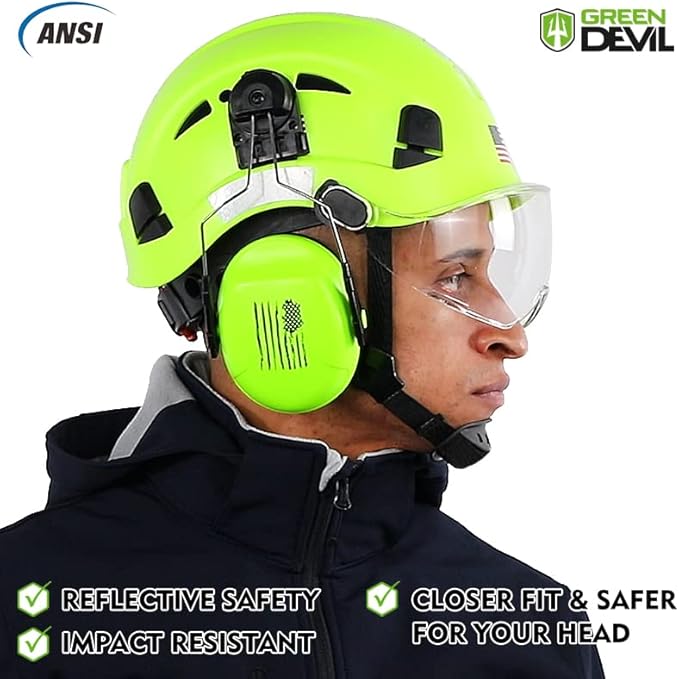
Eye protection, such as safety glasses or goggles, shields against debris, chemicals, and other particles that can cause serious injury. Whether you’re working in construction or a laboratory, appropriate eye gear is a must-have. Different environments require different types of eye protection, so understanding the specific risks of your job can guide your choices.
Hearing protection is equally vital, particularly in industries with high noise levels. Earplugs and earmuffs help prevent hearing damage, which can sneak up on you over time. Choosing between them depends on the noise intensity and the need for clear communication in your work environment.
Mouth protection, including masks or respirators, is essential in settings with harmful dust or vapors. Selection depends on factors like the concentration of airborne hazards and the duration of exposure. Simple masks may suffice for minimal dust, but heavier environments might need respirators with specialized filters.
Hands are often in the line of fire on many jobs, putting gloves high on the list of must-have safety gear. From chemical-resistant to cut-resistant styles, the glove choice hinges on job-related hazards. They protect not only against physical injuries but also against potential exposure to harmful substances.
Taking stock of the minimum safety equipment needed for your job and knowing how to use it effectively ensures a safer workspace. Investing time in training and understanding equipment specifications can significantly reduce the risk of accidents and enhance overall job performance.
Beyond Basics: Job-Specific Safety Equipment
Different jobs call for different safety measures, and sometimes the basic gear needs a little extra backup. The job-specific equipment, like helmets, specialized footwear, or protective aprons, steps in where the basics end, providing tailored protection that addresses unique occupational hazards.
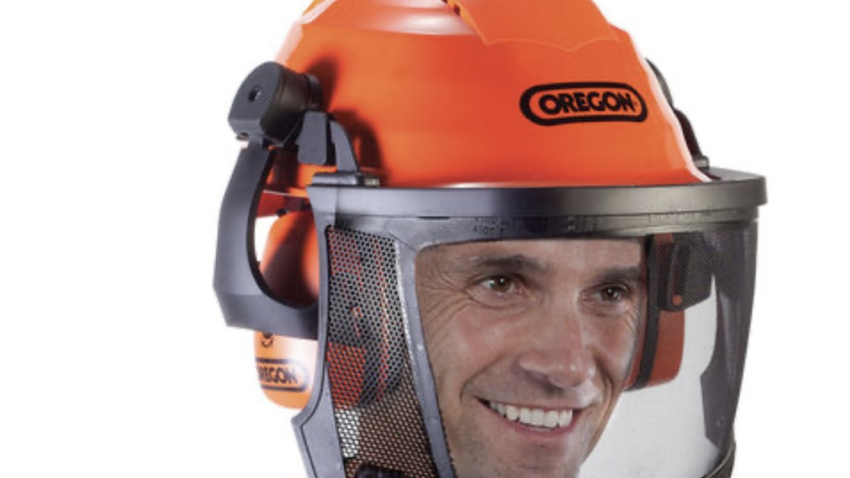
Safety helmets are indispensable in construction, where the risk of falling objects or collisions is high. But not just any helmet will do. Depending on the job, workers might need helmets with additional features like face shields or ear protection, turning them into multi-functional safety hubs.
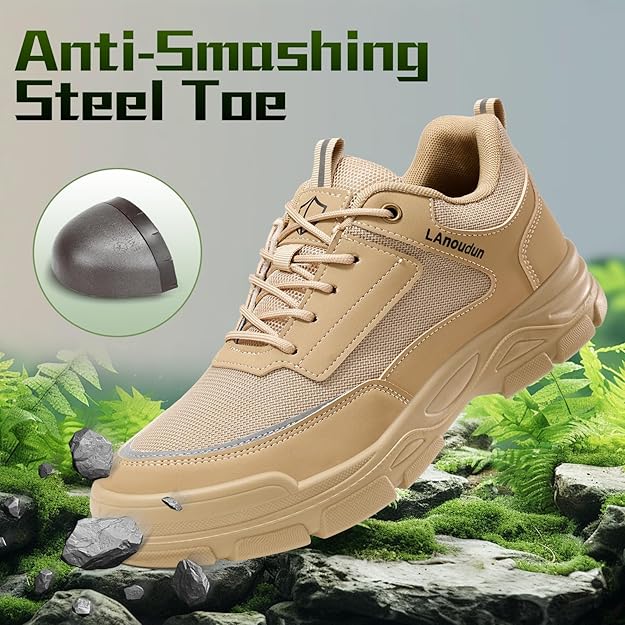
Footwear is another area where job specificity matters greatly. Anti-slip shoes are a godsend in environments prone to spills, while steel-toed boots shield feet from heavy impacts and sharp objects. So you might even need non-slip steel-toed rubber boots. Selecting the right pair involves understanding the terrain and potential hazards of the work environment.
Protection for the body varies widely across professions. High-visibility vests ensure workers are seen in low-light scenarios, crucial for roadworks or nighttime construction. Similarly, protective aprons in catering or laboratory settings guard against spills and burns, offering an extra safety layer.
Innovation in safety gear has expanded the options available, allowing for customized solutions to fit very particular job needs. Employers should consult with safety professionals to ensure that workers are equipped with gear that not only meets industry standards but exceeds them where possible.
Selecting appropriate job-specific safety equipment involves more than just ticking boxes on a compliance sheet. It requires a thoughtful consideration of the risks and conditions specific to each role, promoting a safer and more efficient workplace environment.
The Underappreciated Heroes: Specialized Safety Equipment for Unique Professions
Some jobs challenge safety equipment to the extreme, demanding specialized gear that flies under the radar in general discussions about workplace safety.
In furnace environments, heat-resistant suits are non-negotiable. Workers deal with extreme temperatures, and standard gear just won’t cut it. These suits are designed to reflect heat and protect against burns, offering a crucial barrier for those entering these fiery domains.
Scientific environments also have unique needs. Lab workers use specialized goggles, gloves, and coats to protect against chemical spills, biological hazards, and even radiation. Handling toxic chemicals or volatile substances requires gear that prevents contamination and ensures a controlled environment.
Firefighters embody the essence of specialized equipment. From helmets to boots, their gear is built to withstand flames and intense heat, while breathing apparatus ensures they can survive smoke-filled environments. Each piece is designed for resilience and life-saving purposes.
Emergency responders like ambulance crews or police might rely on bulletproof vests or heavy-duty gloves in risky situations. Their gear must offer protection and flexibility, enabling them to respond quickly and effectively under pressure.
In professions involving heights, such as steeplejacks or tower climbers, harnesses and fall arrest systems are essential. These tools prevent fatal falls and are designed to provide secure yet flexible movement in elevated, often precarious settings.
There’s no one-size-fits-all when it comes to safety gear in these environments. Employers and safety experts must collaborate to design and implement solutions that meet the specific risks inherent in these professions.
The Importance of Adhering to Safety Recommendations
Adhering to safety recommendations isn’t just about keeping the paperwork right—it’s about genuinely protecting lives. When guidelines are followed, they’re like a blueprint for a secure working environment, minimizing risks and safeguarding health.
Safety recommendations are the result of thorough research and are built on lessons learned from past incidents. Ignoring these can lead to accidents that are often preventable, not to mention costly for both employers and employees in terms of injury, time lost, and even legal repercussions.
Case studies highlight the impact of strict safety enforcement. For instance, industries that have adopted comprehensive safety measures report significantly fewer incidents. This isn’t mere coincidence—it’s a testament to the effectiveness of adhering to protocols designed to foresee and mitigate risks.
Balancing productivity with safety can be tricky. There’s constant pressure to meet deadlines and maximize output, but cutting corners on safety is a gamble that could end in tragedy. Creating a culture where being safe is prioritized can actually boost overall efficiency. Employees are more comfortable and focused when they know that their safety isn’t in jeopardy.
Supervisors and leaders have the responsibility to lead by example and prioritize safety in their work environments. Their commitment to enforcing guidelines sets the tone and makes safety a shared responsibility. Regular training and open communication about safety measures encourage adherence and demonstrate that a safe working place is a shared priority.
Following safe practice recommendations isn’t an option—it’s a necessity. It’s the vital framework upon which a safe, productive workforce is built.
Common Workplace Hazards and Offenders
Identifying the biggest offenders in workplace hazards often shines a spotlight on issues that persist despite advancements in safety practices. These dangers can affect not just an individual but also the larger workplace ecosystem.
Chemical exposure remains a top concern in industries ranging from pharmaceuticals to agriculture. The risks of handling hazardous substances are well-documented, yet mishaps continue to occur, often due to lapses in safety protocols or inadequate training. Improving knowledge and respect for chemical safety is crucial.
Repetitive strain injuries (RSIs) are another major concern, especially in office settings. Poor ergonomics lead to long-term health issues that can affect productivity. Employers should invest in ergonomic furniture and encourage frequent breaks to combat this silent productivity killer.
Noise-induced hearing loss is rampant in sectors like manufacturing and construction. While ear protection is standard, many workers still fall victim due to inadequate equipment or neglecting to use it properly. Continuous education on the importance of hearing protection can mitigate this risk and can help avoid such things as tinnitus.
Slip, trip, and fall incidents constitute a significant portion of workplace accidents. These are often avoidable with proper housekeeping and safety protocols, emphasizing the importance of keeping walkways clear and using appropriate signage in hazardous areas.
Finally, stress-related issues are increasingly being recognized as serious workplace hazards. High-pressure environments without adequate support can lead to mental health challenges and burnout. Offering mental health resources and fostering a supportive workplace culture are key strategies to combat stress-related problems.
Recognizing these offenders and actively working to address them not only improves safety but also enhances the overall well-being of employees. Awareness and proactive measures can significantly reduce the incidence of these hazards, contributing to a safer, healthier workplace.
How Safety Awareness and Enforcement Dramatically Saves Lives and Prevents Injuries
Heightened safety awareness and enforcement have been game-changers in workplaces of all kinds. As more industries embrace stringent safety standards, the direct result in terms of lives saved and injuries prevented is undeniable.
In places where safety awareness has become ingrained in the workplace culture, there is a noticeable decline in workplace accidents. This cultural shift doesn’t just happen; it requires ongoing commitment from top management and grassroots participation from employees. Training programs, safety drills, and clear communication are the cornerstones of fostering an environment where safety is second nature.
Statistics back up these efforts. Companies that actively engage in promoting safety awareness report fewer workplace injuries. For instance, the construction industry, once notorious for high accident rates, has seen significant improvements thanks to the enforcement of comprehensive safety measures and vigorous education programs.
Real-life stories put a human face on the value of safety and dedication. Workers recount how adherence to safety protocols saved them from potentially fatal incidents or serious injuries. These testimonies remind everyone of the very real, personal impact of the best practices.
Safety enforcement isn’t just about following rules; it’s about creating a culture where everyone understands the importance of safety and feels empowered to act accordingly. This understanding is what truly transforms workplaces, making them not just compliant with regulations but genuinely safe environments for all employees.
The journey towards improved workplace safety is ongoing. As industries evolve and new challenges arise, the commitment to safety awareness and enforcement must remain steadfast. By continually focusing on safety, workplaces can look forward to healthier, more secure futures for their employees.
Emerging Trends in Workplace Safety
The landscape of workplace safety is continually evolving, driven by technological advancements and shifting work dynamics. Artificial intelligence (AI) is emerging as a powerful tool for hazard detection. AI-powered systems can analyze vast amounts of data from sensors, cameras, and other sources to identify potential risks in real-time, such as equipment malfunctions or unsafe behaviors. This proactive approach allows for early intervention, preventing accidents before they occur.
Remote work, which has become increasingly prevalent, presents new challenges and opportunities for workplace safety. While remote workers may be physically removed from traditional hazards, they are still exposed to risks such as ergonomic issues, psychosocial stressors, and cybersecurity threats. Employers must adapt safety protocols to address these unique challenges, ensuring that remote workers have the necessary equipment.

Organizations and Regulations For Reference:
- OSHA (Occupational Safety and Health Administration):https://www.osha.gov/
- HSE (Health and Safety Executive):https://www.gov.uk/government/organisations/health-and-safety-executive
- International Labor Organization (ILO):https://www.ilo.org/
Additional Resources:
- National Safety Council:https://www.nsc.org/
- American Society of Safety Engineers (ASSE):https://www.assp.org/about
PPE & Equipment list
- Personal Protective Equipment (PPE):
- Safety glasses and goggles
- Earplugs and earmuffs
- Masks and respirators
- Gloves (chemical-resistant, cut-resistant, etc.)
- Safety helmets
- Protective footwear (anti-slip, steel-toed)
- Protective aprons
- Heat-resistant suits
- Lab coats and gloves
- Firefighting gear
- Bulletproof vests
- Harnesses and fall arrest systems
- Other Equipment:
- Fire extinguishers
- First aid kits
- Warning signs and barriers
- Safety ladders and scaffolding
We hope you find the information useful, but if you have any questions or need help, send us a message. You do have to sign in and confirm these days to comply with government rules. Sorry for the inconvenience.
Author Rob




Hi Rob,
I thoroughly enjoyed reading your blog post on workplace safety. Your detailed exploration of safety evolution and the importance of protective gear in different industries was both enlightening and informative. It’s remarkable how workplace safety has journeyed from being an overlooked aspect to becoming a core element of employee well-being and productivity.
Your insights into how modern safety standards now include mental well-being are particularly relevant, especially in today’s work environments that are rapidly changing with technological advancements. The inclusion of mental health as part of workplace safety protocols is a necessary evolution, reflecting the holistic approach needed for a truly supportive work environment.
The way you highlighted the role of AI in hazard detection was fascinating. It’s exciting to think about how technology can proactively enhance safety measures, potentially transforming how we approach workplace safety in the future. Your post serves as a reminder of the continuous journey and commitment required to improve and adapt our safety practices as work environments evolve.
Thank you for bringing these important topics to light. I’m looking forward to your future posts and learning more about how we can continue to improve workplace safety for everyone, both onsite and remotely.
All the Best,
Eric
Hi Eric,
Safety has travelled millions of miles to get where it is today. To a point where most people accept it as the norm in the workplace. But as a lot of the workforce chooses to work remotely and mostly from home, will it regress and in reality how can it be policed?
Rob