


Creating Silicone Molds For Resin Art Projects
Silicone Molds: A Game-Changer in Resin Art
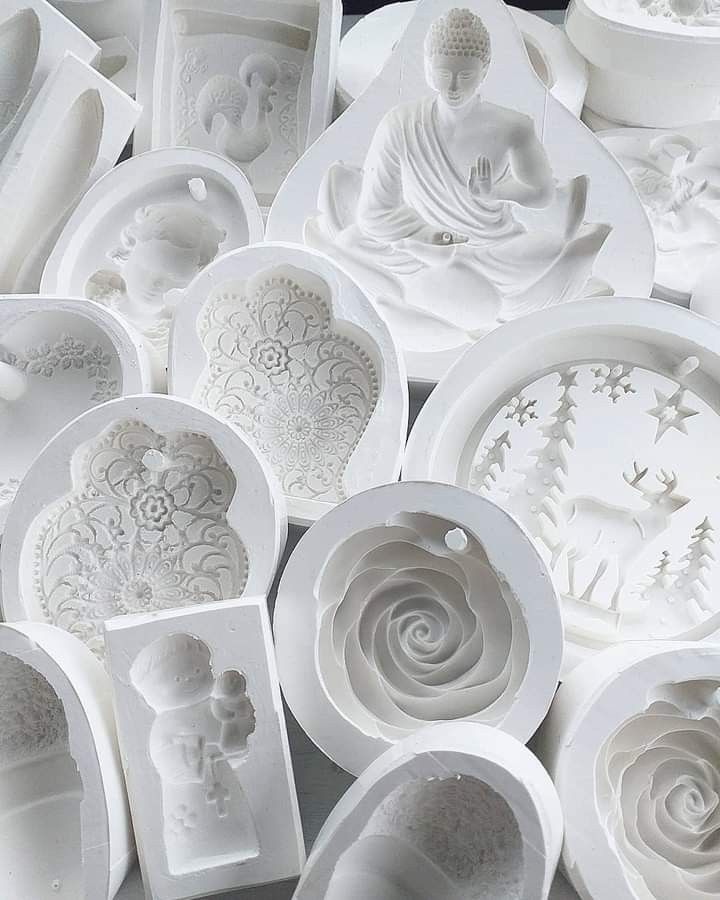
Silicone molds have revolutionized resin art, providing a versatile tool that combines durability and flexibility. These molds have become essential in crafting projects because they can capture the finest details, making them ideal for intricate designs.
Table of contents
One major advantage of silicone molds is their flexibility. Unlike rigid materials, silicone molds can be twisted and bent without breaking, allowing for repeated use without deforming. This flexibility ensures hassle-free demolding, especially compared to other mold materials like plastic or metal.
The durability of silicone is another standout feature. These molds can withstand the heat generated during resin curing, ensuring your projects aren’t compromised. This heat resistance, combined with their long lifespan, makes silicone molds a cost-effective and reliable choice for small and large-scale projects alike.
Silicone molds excel in detail replication. Whether you’re crafting intricate jewelry pieces or bold home décor items, these molds deliver professional, high-quality results with precise textures and patterns.
As an Amazon Associate, I earn from qualifying purchases.
This post contains affiliate links. If you buy through them, I may earn a commission at no extra cost to you.
Exploring the Types of Silicone Molds
Silicone molds come in various types, opening endless possibilities for resin artists.
- Pre-Made Molds: Perfect for beginners, these molds offer standard shapes like coasters, jewelry, and keychains. They’re convenient and produce predictable results.
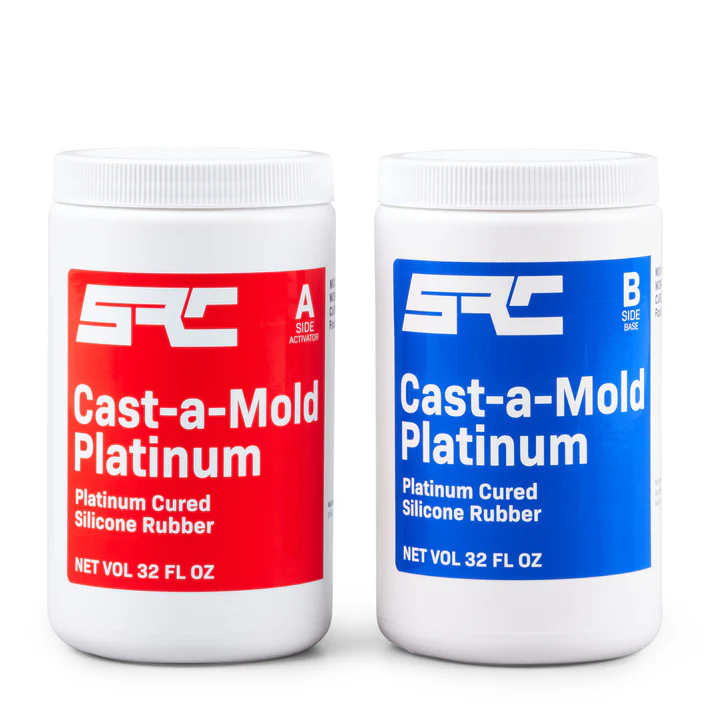
- Custom Molds: For a personal touch, create your own molds with liquid silicone kits. This process allows for unique designs tailored to your vision, ideal for advanced crafters.
When selecting silicone molds, prioritize quality. High-grade molds provide better durability and detail clarity than budget options. While inexpensive molds may be tempting, investing in premium materials enhances your project’s quality and extends the mold’s lifespan.
Pro Tip: Match the mold’s design with your project goals for the best results, whether you’re sticking with pre-made shapes or venturing into custom designs.
Advantages of Silicone Molds in Resin Crafting
Silicone molds offer several benefits that make them indispensable:
- Reusability: Unlike other materials, silicone molds are durable enough for repeated use, saving money and reducing waste.
- Heat Resistance: These molds handle the heat generated during resin curing without warping.
- Ease of Demolding: Silicone’s flexibility ensures smooth removal of resin pieces, even with intricate designs.
Quick Tip: Use a mold release agent to make demolding easier and prolong the life of your molds.
Choosing the Perfect Silicone Molds For Resin
Selecting the right silicone mold is crucial for successful resin projects. Consider these factors:
- Size, Shape, and Depth: Ensure the mold aligns with your project goals, whether creating small jewelry or larger décor items.
- Resin Compatibility: Match the mold material with your resin type (epoxy or UV resin) to prevent issues like sticking or uneven curing.
- Safety: For culinary projects, use food-grade, non-toxic silicone molds.
Mindful selection prevents mishaps and ensures high-quality results.
Mastering Silicone Mold Techniques
Preparation is key to successful resin crafting:
- Clean Your Molds: Remove dust and debris before use.
- Use Mold Release: This prevents resin from sticking and simplifies demolding.
- Pour Slowly: Minimize bubbles by pouring resin steadily. Use a heat gun or torch to eliminate surface bubbles.
- Add Inclusions: Enhance designs with glitter, pigments, or dried flowers, but keep the balance to avoid overwhelming the piece.
Experiment: Try different techniques and materials to discover your unique style.
Troubleshooting Common Challenges
- Sticky Resin: Ensure proper mixing ratios and maintain a stable curing environment.
- Mold Degradation: Clean and store molds properly to extend their life. Avoid sharp tools and harsh chemicals.
- Warped Pieces: Support molds on a flat surface during curing and handle them gently during demolding.
Addressing these challenges proactively ensures a smoother crafting experience.
Creative Project Inspirations
Silicone molds for resin enables endless creativity. Here are some ideas:
- Custom Coasters and Jewelry: Add inclusions for unique designs.
- Seasonal Projects: Create holiday ornaments or wedding keepsakes.
- Mixed Media: Combine resin with wood or metal for sophisticated results.
Question for You: What’s your favorite resin project idea? Share it with us!
Caring for Your Molds
Proper maintenance ensures your molds remain in excellent condition:
- Cleaning: Rinse molds with warm soapy water after use. Use a soft brush for stubborn residue.
- Storage: Keep molds in a cool, dry place away from sunlight and heat.
- Avoid Damage: Steer clear of sharp tools and harsh chemicals.
Treating your molds with care ensures they’re always ready for your next creative endeavor.
Sourcing Quality Silicone Molds Fo Resin
Find the perfect molds through these channels:
- Online Marketplaces: Etsy and Amazon offer a wide variety of options.
- Local Craft Stores: See and feel the products before purchasing.
- DIY Kits: Create custom molds for one-of-a-kind designs.
Choose reputable brands for consistent performance and quality results. Check out this post on liquid rubbers here.
Conclusion
Silicone molds have become an essential tool for resin artists, offering unmatched flexibility, durability, and creative possibilities. By understanding their advantages, mastering techniques, and properly maintaining your tools, you can elevate your resin projects to new heights.
What are your thoughts on using silicone molds for resin crafting? Perhaps you could share your tips and experiences in the comments below!
Contact Us
We hope you find the information on silicone molds for resin useful, but if you have any questions or need help, send us a message. You do have to sign in and confirm these days to comply with government rules. Sorry for the inconvenience.
Author Rob
This is the great platform that I learned how to build websites from and how affiliate marketing works.






I’ve been working with resin for a while. Making my own molds has really changed the game for me. One thing I’ve learned is to always check for air bubbles in the silicone before it sets. It saves a lot of time and frustration later. Using a release agent also helps a lot. It makes it easier to remove the resin pieces without damaging the mold. Thanks for sharing these detailed steps. I’m excited to try some of the techniques you mentioned.
Hi Ronald,
Sounds like you have experience with silicone as well. The dreade bubbles can be a problem with both resin and silicone and similar methods are used to eliminate them in both products.
Rob
Hey, Rob, this article is amazing,
When I first started working with resin, I used plastic molds. The results were often frustrating—brittle molds that cracked easily, difficult demolding, and resin sticking to the surface. Once I switched to silicone molds, everything changed.
Why Silicone Molds Stand Out
1. Smooth Demolding – Unlike plastic, silicone flexes easily, so you don’t have to struggle or risk breaking your piece. This is a lifesaver, especially for intricate designs like jewelry or figurines.
2. Durability & Reusability – A good silicone mold can last for dozens, if not hundreds, of pours with proper care. This makes them far more cost-effective than disposable alternatives.
3. Perfect Detail Capture – Whether it’s the fine edges of a leaf imprint or the texture of a stone-like finish, silicone molds pick up every detail, making them great for realistic-looking pieces.
4. Versatility – From creating layered designs to incorporating dried flowers, pigments, or metallic flakes, the creative possibilities are endless.
Challenges & Tips
1. Sticky Resin? Always ensure precise resin mixing ratios and use a mold release spray for extra protection.
2. Warping Issues? Keep your mold on a level surface and avoid excessive heat exposure.
3. Mold Longevity? Clean with mild soap and water—harsh chemicals degrade silicone over time.
Favorite Projects Using Silicone Molds
1. Galaxy-Themed Coasters – Using dark pigments, iridescent flakes, and glow-in-the-dark powder, these coasters became stunning night-sky-inspired pieces.
2. Custom Jewelry – I love embedding tiny, pressed flowers in resin pendants using small, intricate molds.
3. Book Cover Designs – Using flexible sheet molds, I created embossed resin book covers with a leather-like texture.
Final Thoughts
Silicone molds transformed my resin crafting experience by making projects more efficient and professional-looking. If you’re serious about resin art, investing in high-quality molds is definitely worth it!
John
Hi John,
Thanks for sharing your insights on using silicone, good quality silicone is such a brilliant product with so many uses.
And when used in the right way, excellent results are achieved. Silicone will replicate the exact surface quality of your mold, to get a super shiny finish.
Thank you
Rob